February 6, 2026
Building a custom home is one of the most exciting and rewarding projects a homeowner can undertake. From designing your dream layout to choosing finishes that reflect your style, the process allows you to create a space that's uniquely yours. However, the journey from concept to completion can be complex, requiring careful planning, budgeting, and coordination with experienced professionals.
According to the National Association of Home Builders, single-family housing starts increased by 6.5% in 2024, underscoring continued growth in the residential construction market. This trend highlights the demand for skilled custom home builders who can deliver quality homes tailored to individual needs. Following a structured checklist can ensure your custom home project proceeds smoothly, stays on budget, and ultimately results in the home you envision.
Establish Your Budget and Financing Plan
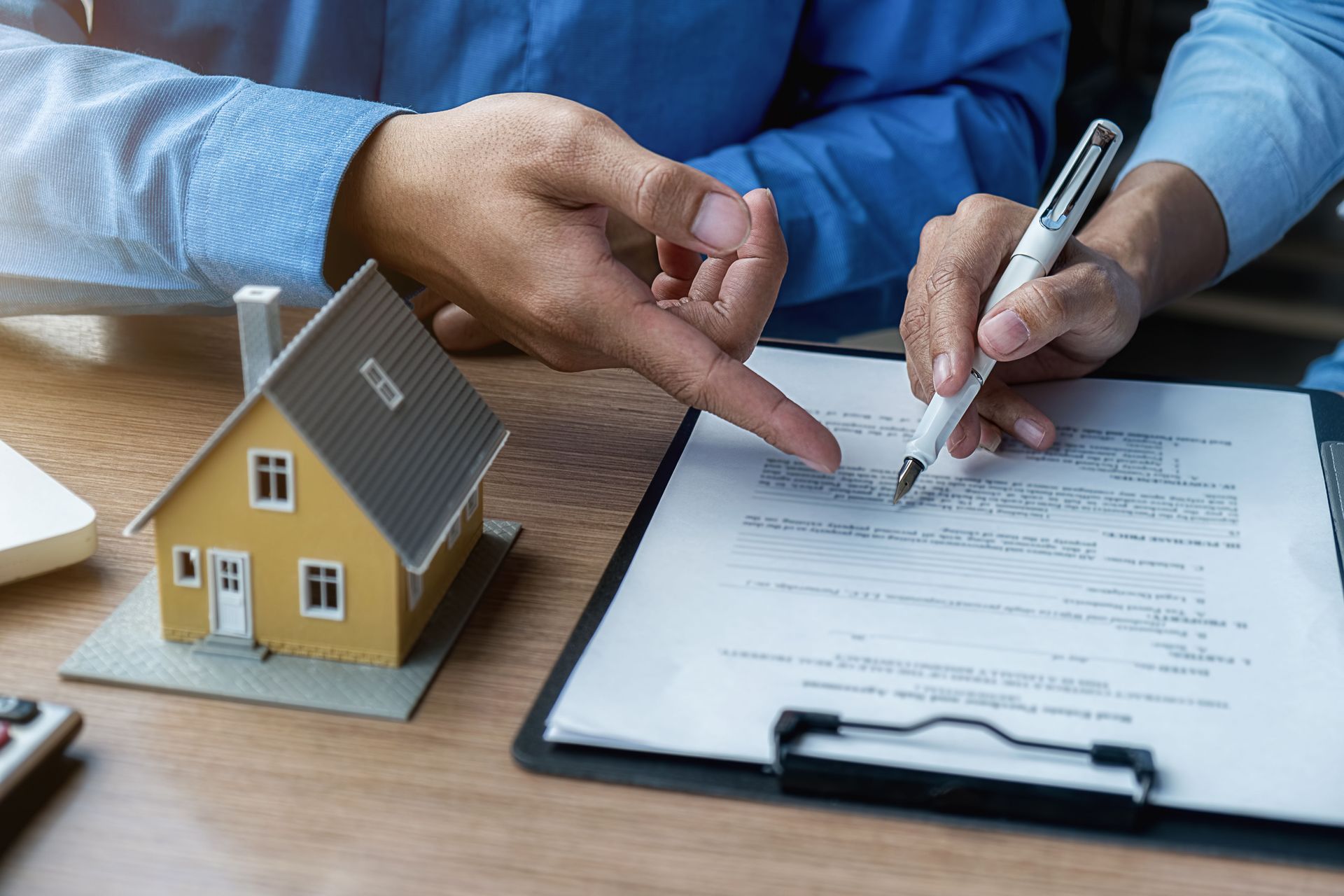
The first step in any custom home project is determining a realistic budget. Your budget should account not only for construction costs but also for land acquisition, permits, landscaping, and interior finishes. Meeting with a financial advisor or mortgage specialist early in the process can help you understand what you can afford and identify financing options. A well-planned budget protects against unexpected expenses and allows you to make informed decisions when selecting design features. Working with experienced custom home builders can also provide accurate cost estimates, helping you avoid overextending financially.
Choose the Right Location and Lot
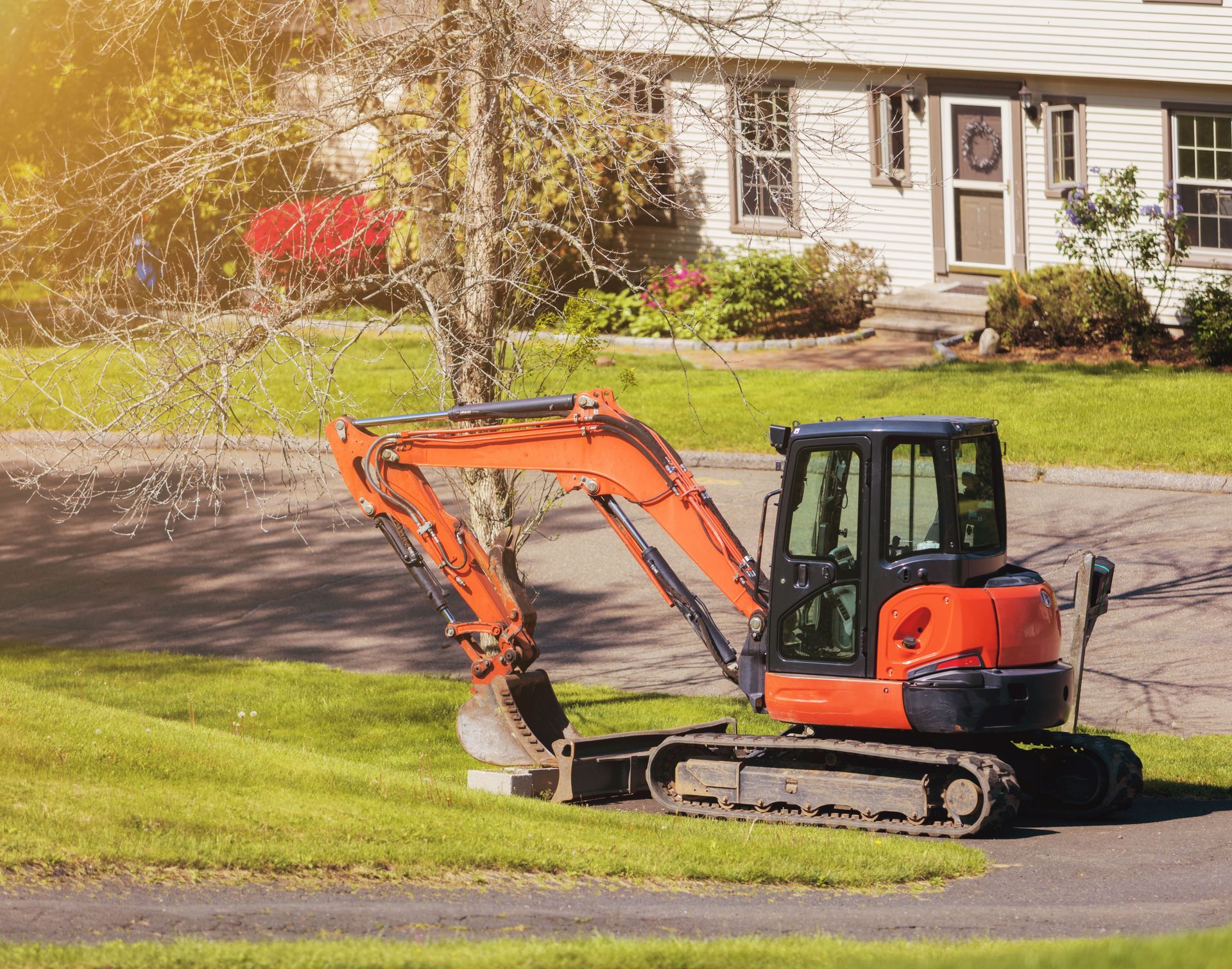
Selecting the ideal location for your custom home is as important as the home itself. Consider factors such as proximity to work, schools, amenities, and future development plans in the area. Evaluate the topography, soil quality, and drainage of potential lots, as these elements can impact construction costs and design options. Some lots may require specialized foundation work or grading, which is why working with custom home builders who have local expertise is invaluable. They can guide you toward properties that align with your vision and avoid costly surprises during construction.
Define Your Home Style and Design Priorities
Before breaking ground, outline your home's style, layout, and must-have features. Think about the number of bedrooms and bathrooms, open-concept spaces, storage solutions, and energy-efficient design elements. Creating a list of priorities helps guide conversations with architects and designers, ensuring your vision is accurately translated into plans. Custom home builders often offer design consultations, providing insight into practical layouts, structural considerations, and the latest trends in home design. Investing time in this step minimizes revisions later and keeps the project on schedule.
Assemble Your Professional Team
A successful custom home build relies on a team of skilled professionals. This includes architects, interior designers, engineers, and, most importantly, experienced custom home builders. Each member brings specialized expertise, ensuring the home is structurally sound, visually appealing, and compliant with building codes. While DIY approaches may seem appealing, complex construction tasks require technical knowledge and precise execution. Partnering with a professional team reduces the risk of mistakes, delays, and added costs, giving you peace of mind throughout the process.
Secure Permits and Regulatory Approvals
Construction projects are subject to local building codes and zoning regulations. Securing permits and approvals before construction begins is essential to avoid legal issues or project delays. Your professional team, particularly custom home builders, can navigate the permitting process, submitting necessary documentation and coordinating inspections with municipal authorities. Ensuring all approvals are in place before breaking ground not only keeps the project compliant but also provides a clear roadmap for construction phases.
Select Materials and Finishes Early
Choosing materials and finishes—flooring, cabinetry, countertops, and fixtures—is a crucial step in defining your home's aesthetic and functionality. Decisions made early in the planning process prevent delays once construction begins. Consider durability, maintenance requirements, and energy efficiency when selecting materials. Custom home builders can recommend reliable suppliers and quality products, helping you avoid inferior options that may compromise long-term value. Early selection also allows for accurate cost estimates and ensures the home is delivered as envisioned.
Create a Detailed Construction Timeline
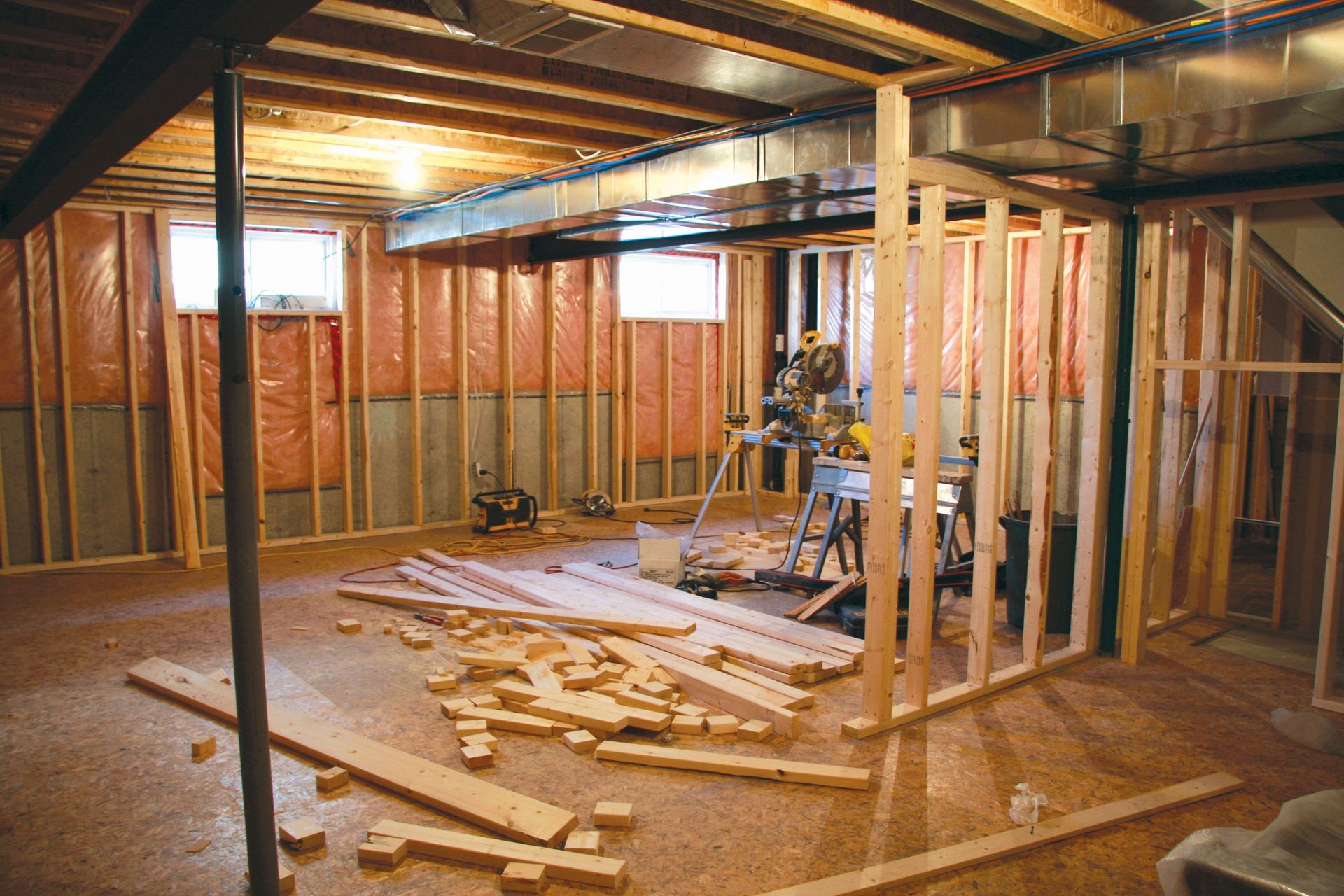
A construction timeline provides structure to your project, helping track progress from foundation to final inspection. This timeline should include key milestones, such as site preparation, framing, electrical and plumbing installation, interior finishing, and final walkthroughs. Custom home builders play a critical role in developing a realistic schedule, coordinating subcontractors, and addressing unforeseen delays efficiently. A well-defined timeline keeps the project organized, prevents bottlenecks, and allows homeowners to anticipate and plan for each phase.
Monitor Progress With Regular Site Visits
Regular site visits are essential to ensure construction aligns with your plans and expectations. Visiting the site allows you to address questions, confirm material choices, and ensure quality standards are maintained. Custom home builders provide updates, highlight any challenges, and recommend solutions when adjustments are needed. While some homeowners may feel tempted to handle tasks themselves, professional oversight is crucial for structural integrity, safety, and adherence to timelines. Engaging actively in this step strengthens collaboration between you and your building team.
Implement Energy Efficiency and Sustainability Measures
Modern custom homes increasingly incorporate energy-efficient technologies, such as high-performance insulation, solar panels, and smart home systems. These features reduce long-term utility costs and enhance comfort while adding value to your property. Custom home builders experienced in sustainable design can recommend solutions tailored to your site, budget, and lifestyle. Prioritizing energy efficiency during planning ensures that these measures are integrated seamlessly rather than added as costly afterthoughts.
Prepare for Final Inspections and Walkthroughs
As construction nears completion, schedule final inspections and walkthroughs with your custom home builders and relevant authorities. This step ensures that the home meets all safety and quality standards and that any remaining issues are addressed before occupancy. During the walkthrough, verify that all finishes, fixtures, and systems are installed correctly and functioning properly. Professional guidance at this stage ensures a smooth transition from construction to moving in, safeguarding your investment.
Plan for Landscaping and Exterior Features
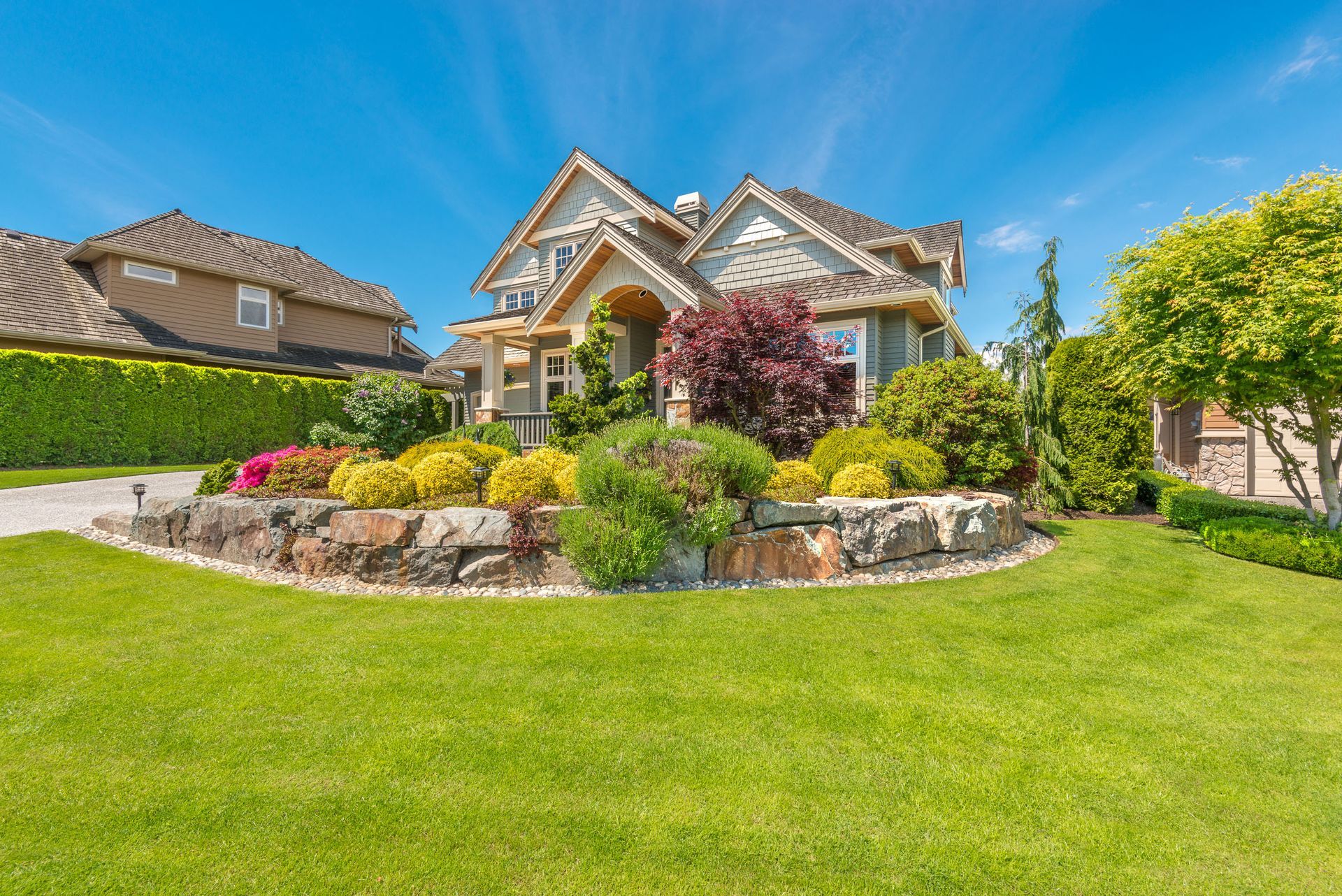
The exterior of your home is just as important as the interior. Landscaping, driveways, patios, and outdoor living spaces contribute to curb appeal, usability, and overall enjoyment. Planning these features early allows your custom home builders to coordinate grading, irrigation, and site access efficiently. Professional landscaping design ensures aesthetics and functionality while minimizing long-term maintenance. By integrating these elements into the construction plan, your property will be cohesive and ready for immediate enjoyment.
Budget for Contingencies and Unexpected Costs
Even with careful planning, unexpected expenses can arise during a custom home build. Weather delays, supply chain challenges, or design changes may affect your budget. In our experience, setting aside a contingency fund—typically 5–10% of the overall budget—provides a financial buffer. Custom home builders can help anticipate potential issues based on experience, recommending cost-effective solutions without compromising quality. Preparing for contingencies ensures that your project remains on track, reducing stress and surprises along the way.
Reflect on Long-Term Maintenance Needs
A custom home is an investment that requires ongoing care to preserve its value and functionality. Identify routine maintenance tasks such as HVAC servicing, roof inspections, and exterior upkeep. Planning for these responsibilities ensures that your home remains safe, comfortable, and attractive for years to come. Custom home builders can advise on durable materials, efficient systems, and design features that minimize maintenance while enhancing longevity.
Building a custom home is a journey that combines creativity, planning, and professional expertise. Following a structured, step-by-step checklist helps you navigate the process with confidence, from budgeting and site selection to final walkthroughs and long-term maintenance. By carefully planning each phase and relying on skilled professionals, you can bring your dream home to life while minimizing stress and unexpected challenges.
At DeHaan Construction Inc, we guide homeowners through every stage of the custom home building process. Our team of experienced builders, designers, and project managers ensures your vision is realized with quality, efficiency, and attention to detail. If you're ready to turn your dream into a reality, we're here to help—let's start planning your custom home build today.