May 7, 2026
Starting a construction project often requires more than clearing space and bringing in equipment. Before a foundation can be poured, utilities can be installed, or land can be reshaped, the site usually needs careful preparation. That preparation may include digging, grading, soil removal, trenching, drainage planning, and other important steps that help create a stable base for the work ahead.
Excavation is one of the earliest stages of many construction, utility, landscaping, and site development projects. While it may look simple from the outside, the process involves planning, safety checks, equipment operation, soil management, and coordination with local requirements. In this article, we’ll explain what happens during an excavation so property owners can better understand what to expect before, during, and after the work begins.
Planning the Project Before Work Begins
Every successful project starts with a clear plan. Before any digging begins, contractors review the scope of work, site layout, soil conditions, property boundaries, drainage concerns, and project goals. This stage helps determine where digging will happen, how deep the work needs to go, and what type of equipment should be used.
Planning also includes reviewing existing structures, nearby roads, trees, slopes, and access points. If the site is tight, uneven, or close to neighboring properties, the contractor may need to create a more detailed plan for equipment movement and material removal. Good planning helps reduce delays and keeps the project more organized.
Permitting may also be part of this stage. According to BusinessWire, regulatory delays and permitting challenges impact roughly 30% of excavation projects in 2025. This makes early planning especially important because permit issues can affect timelines before physical work even begins.
Marking Utilities Before Digging Starts
One of the most important steps before digging is locating underground utilities. Gas lines, water lines, sewer lines, electrical cables, fiber optic lines, and drainage systems may run beneath the property. Hitting one of these lines can cause serious safety risks, service interruptions, repair costs, and project delays.
Before work begins, utility marking services are usually contacted to identify and mark underground lines. These markings give equipment operators a better understanding of where they need to use caution. In some cases, hand digging or vacuum excavation may be used near sensitive areas to reduce the risk of damage.
Property owners should never assume they know where all utilities are located. Even if a site looks clear, underground systems may still be present. Professional utility marking is a key part of safe site preparation.
Clearing the Site for Equipment Access
After planning and utility marking, the site may need to be cleared. This can include removing brush, small trees, debris, old pavement, rocks, or other obstacles that could interfere with the work. If structures need to be removed, demolition may happen before or alongside the digging process.
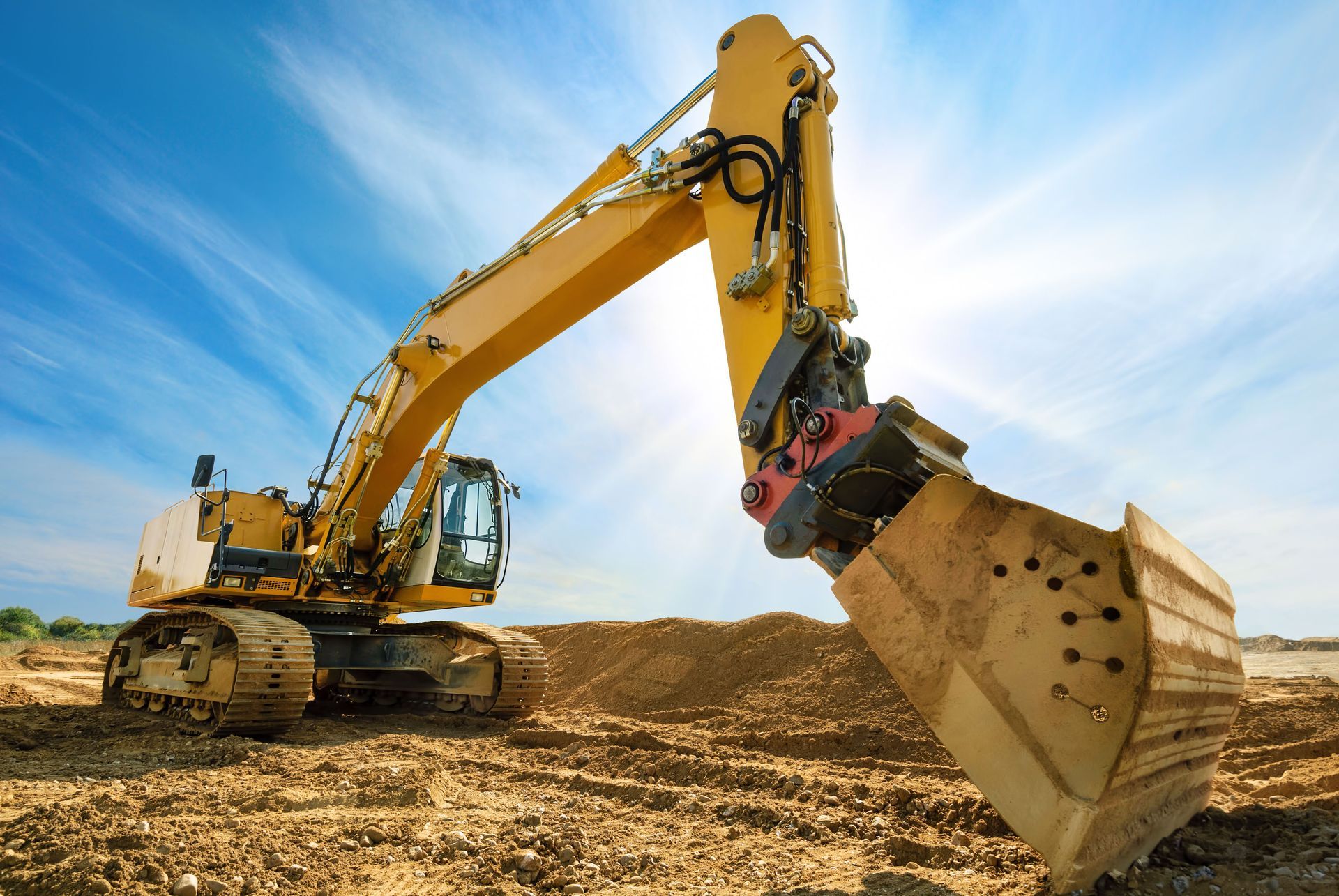
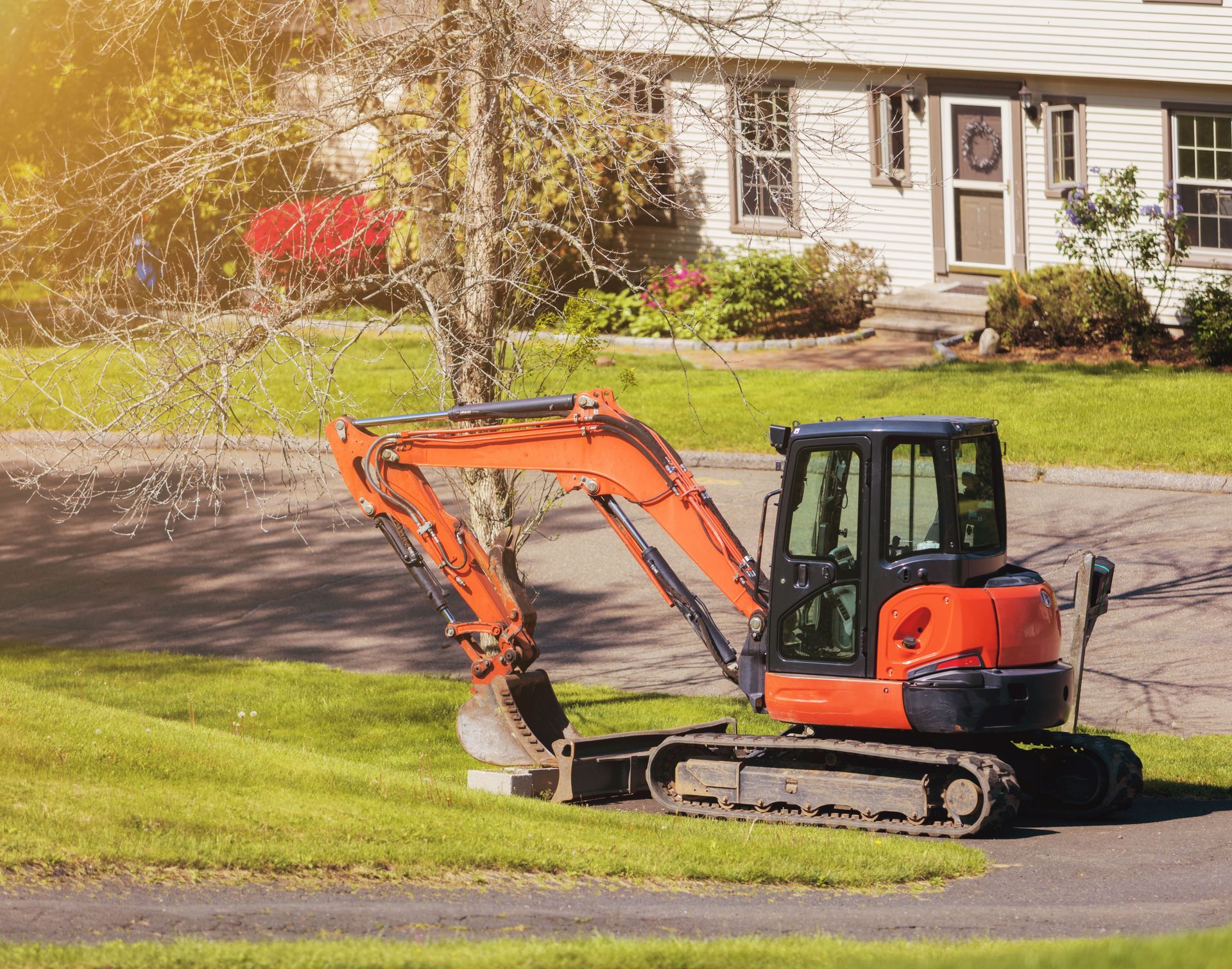
Site clearing also creates room for heavy equipment. Excavators, skid steers, dump trucks, compactors, and other machines need safe access to move around the property. Contractors may establish paths for equipment, areas for temporary soil storage, and locations for hauling materials away.
This stage can vary depending on the condition of the property. A clear, open lot may require minimal preparation, while an overgrown or developed site may need more extensive work before digging can begin.
Digging the Area to the Required Depth
Once the site is ready, the digging phase begins. The contractor removes soil, rock, or other materials according to the project plan. The depth and shape of the dug area depend on the purpose of the work. A foundation requires a different approach than a utility trench, driveway, drainage system, pool, or retaining wall.
Equipment operators carefully follow measurements, markings, and grade requirements. Digging too shallow can create structural problems, while digging too deep may require additional backfilling and compaction. Precision matters because later stages of the project often depend on the accuracy of the excavation.
During this phase, contractors may also monitor soil conditions. If the soil is unstable, wet, rocky, or difficult to manage, the plan may need adjustments. Site conditions can affect both the timeline and the equipment used.
Managing Soil and Removed Materials
Excavated soil needs to go somewhere. Some soil may be stored on-site for later backfilling or grading, while excess material may be loaded into trucks and hauled away. The decision depends on the project requirements, available space, soil quality, and local disposal rules.
Not all soil is suitable for reuse. If soil is contaminated, too wet, too loose, or filled with debris, it may need to be removed from the site. Clean, stable soil may be reused in certain areas if it meets project needs.
Proper soil management helps keep the worksite safer and more organized. Large piles of soil can block access, create drainage issues, or become unstable if they are placed incorrectly. Contractors plan material placement carefully to support both safety and efficiency.
Shaping and Grading the Site
Excavation is not only about digging down. It also often involves shaping the land so water drains properly and future construction has a stable base. Grading adjusts the slope and elevation of the ground to meet project specifications.
Proper grading is especially important around buildings, driveways, patios, and drainage systems. If water flows toward a structure instead of away from it, moisture problems can develop later. Poor grading can also lead to erosion, pooling water, and uneven settling.
During this stage, contractors may use machinery to smooth, slope, and compact the surface. Laser levels, grading tools, and site plans may be used to achieve the correct elevations. This helps prepare the site for the next phase of construction.
Stabilizing the Ground for Future Work
After digging and grading, the ground may need to be compacted or stabilized. Compaction presses soil particles together to create a firmer base. This step is often necessary before installing foundations, slabs, driveways, roads, or other structures.
If the soil is weak or unstable, contractors may recommend additional stabilization methods. This could include adding gravel, replacing unsuitable soil, improving drainage, or using geotextile fabric. The goal is to reduce movement, settling, and water-related issues after the project is complete.
Skipping proper stabilization can lead to long-term problems. Uneven surfaces, cracked concrete, foundation movement, or drainage failures may occur if the ground is not prepared correctly.
Inspecting the Site Before Moving Forward
Before the next phase begins, the work may need to be inspected. Depending on the project, inspections may verify depth, slope, soil stability, drainage, setbacks, utility placement, or code requirements. These inspections help confirm that the site is ready for construction.
If the inspector identifies a problem, corrections may be needed before work continues. While this can add time, it helps prevent more expensive issues later in the project. A properly prepared site gives builders, plumbers, electricians, landscapers, and other professionals a better foundation for their work.
Final checks also give the contractor a chance to clean up the area, remove excess materials, and prepare the site for the next crew.
Excavation is a detailed process that includes planning, utility marking, clearing, digging, grading, soil management, drainage control, compaction, and inspections. Each step helps prepare the property for safe and stable construction. When handled correctly, the work creates the foundation for everything that follows. If you are planning a building project, utility installation, driveway, drainage improvement, or major property update, contact DeHaan Construction Inc today to discuss your site and schedule professional service.