May 28, 2026
Choosing the right civil engineering approach for public infrastructure is a critical decision that affects not only the immediate layout of a city but also its long-term economic development. Groundwork, land clearing, and subterranean utility mapping take a massive toll on local ecosystems, making professional heavy equipment operation essential. Certified excavation services act as a comprehensive foundation plan for municipal expansion, significantly bolstering structural longevity by fixing soil stability issues and grading flaws that are often completely overlooked during basic site preparation.
Every structural project relies heavily on a flawless earthwork layout for structural weight distribution, precise utility routing, and basic civil safety. Specialized site-prep crews handle a wide array of technical procedures, filling the gaps in natural terrain alignment that must be addressed before vertical building can begin. By introducing these vital deep-digging and leveling processes into your public works development plan, you ensure your community infrastructure reaches its full operational potential. The ultimate result is a balance of completely stable, code-compliant trenching below the surface and a highly resilient, deeply integrated public space above.
Excavating Services in Urban Development
When an undeveloped or high-density lot suffers from poor drainage or unmanaged terrain shifts, it will quickly broadcast its structural distress through highly visible physical symptoms. Common red flags of an unstable building site include severe topsoil erosion, deep sinkholes, standing water pooling near structural borders, and foundational shifting in surrounding structures. Neglecting these early warning signs leaves your public infrastructure incredibly weak, drastically reducing its long-term safety rating while throwing the door wide open to catastrophic cave-ins and utility line ruptures down the road. To prevent these dangerous subterranean hazards before vertical building begins, master operators rely on precise terrain analysis and site-clearing tools to evaluate the land's physical health.
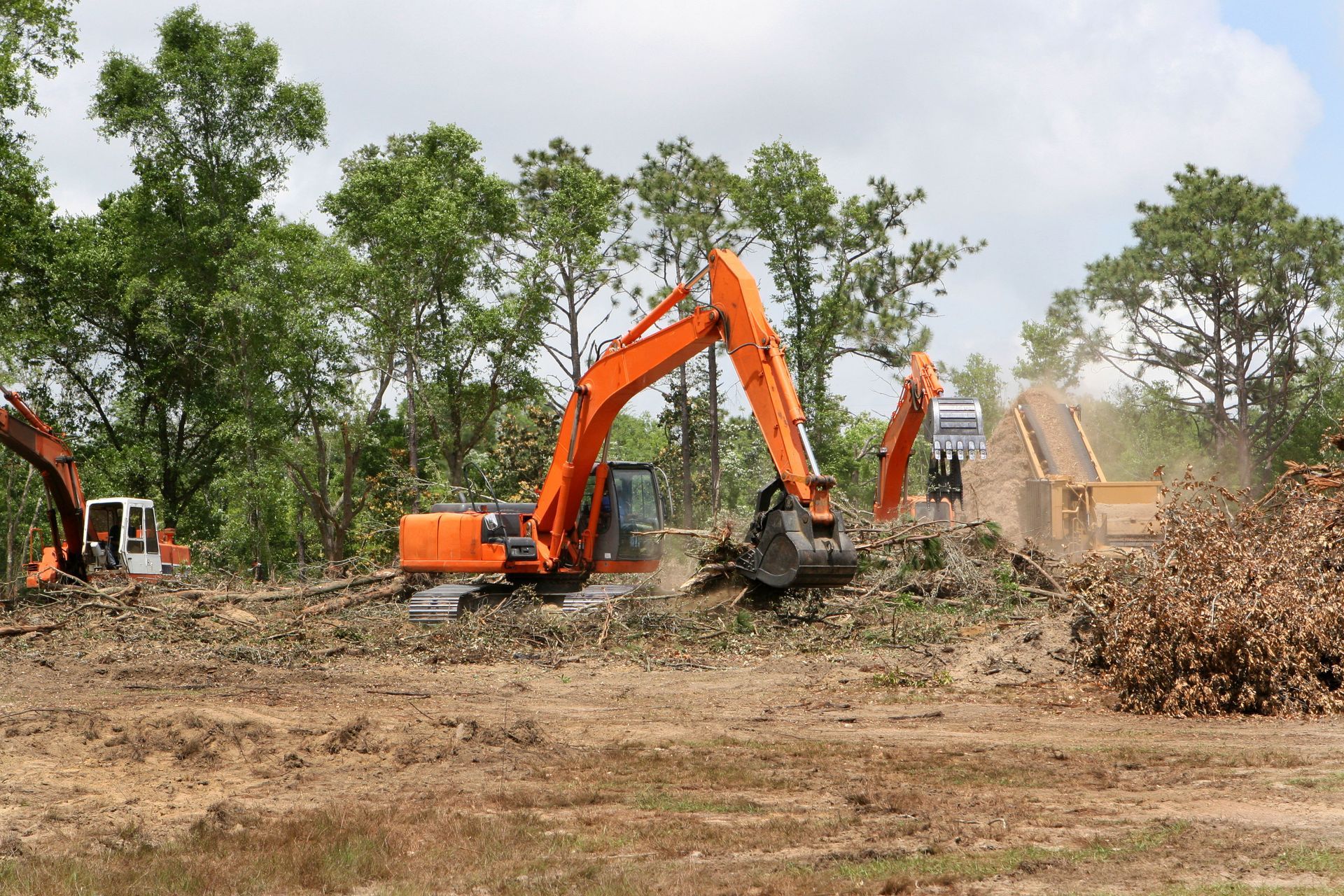
Accurate earthmoving machinery allows civil engineering teams to execute highly specialized grading blueprints across completely different topographies. According to FJ Dynamics, excavator sizes in the US vary widely, from mini excavators like the CAT 300.9D (2,399 lbs) to heavy machinery. This diverse mechanical spectrum highlights the necessity of matching specific machine footprints to unique project scales, allowing small mini excavators to crawl into tight alleyways to repair municipal water lines while massive tracked units shape major highway embankments. By leveraging this complete fleet of mechanical options, certified operators can confidently navigate any spatial constraint or underground obstacle seamlessly.
Supporting Sustainable Community Projects
Achieving a safe, long-lasting public park or commercial green space requires an immediate investment in expert stormwater management and subsoil contouring. Experienced excavation services systematically shape retention ponds and dig clear drainage channels to manage unpredictable seasonal rainfall runoff efficiently. This critical subsurface infrastructure diverts millions of gallons of fast-moving water away from municipal roadways, completely protecting local businesses and preventing minor flooding issues from escalating into major ecological disasters. Restructuring the natural topography from the very beginning provides the necessary drainage framework required to safely support public recreational assets.
Alongside water management, specialized environmental crews must act quickly to restore damaged urban spaces through strategic earthwork and targeted land reclamation. High-density commercial developments often feature hidden pockets of contaminated industrial soil or buried debris fields that demand highly controlled removal and safe disposal protocols. Operators utilize precision digging methods to extract toxic materials without disturbing adjacent utility grids or nearby residential properties. This proactive environmental cleanup completely sanitizes the local ecosystem, converting hazardous brownfield zones into clean, beautiful community assets that increase local real estate value.
Economic Impact and Job Creation
The physical execution of major municipal groundwork projects serves as a massive economic engine, driving direct capital investment into local business ecosystems and generating sustainable middle-class employment. Every major utility dig or highway clearing requires a highly coordinated local workforce, creating competitive jobs for licensed diesel mechanics, safety inspectors, and advanced machine operators. Rushing through this developmental phase without hiring local, certified crews can easily lead to costly utility disruptions, delayed project timelines, and inflated municipal budgets. Maintaining a consistent pipeline of local excavation talent ensures public tax dollars are recycled directly back into the community's workforce.
Beyond direct payroll benefits, heavy civil developments provide an incredible boost to regional equipment suppliers, material vendors, and aggregate manufacturers. Large-scale utility projects consume thousands of tons of local gravel, bedding sand, and protective concrete culverts, fueling consistent revenue for small-to-medium enterprises within the immediate area. This interconnected supply chain ensures that infrastructure spending creates a powerful economic multiplier effect, stimulating commercial growth long before the project officially crosses the finish line. Investing in local, professional earthmoving firms guarantees that your civil infrastructure upgrade functions as a highly lucrative, self-sustaining financial asset.
Improving Public Safety and Accessibility
The long-term safety of public transportation systems relies heavily on the initial work of the underground structural work executed beneath our roads and bridges. Master operators utilize advanced laser-guided grading systems to compress subgrade soils uniformly, creating a rock-solid foundation that prevents future asphalt cracking, potholes, and dangerous roadway buckling. These structural enhancements ensure public transport routes meet rigorous modern safety standards, giving daily commuters absolute peace of mind. Protecting public safety beneath the pavement is a non-negotiable step toward building an equitable, resilient transit framework.
Furthermore, precision
excavation services are a vital prerequisite for modernizing public spaces to guarantee absolute inclusivity for disabled and elderly citizens. Reconfiguring public sidewalks to integrate code-compliant wheelchair ramps, smooth curb cuts, and perfectly graded transit platforms demands extreme accuracy from heavy machinery operators. By carefully carving out steep terrains and smoothing out irregular public pathways, precision crews allow all community members to navigate their cities with dignity and complete independence. Aligning your structural grading with these universal accessibility standards is an essential step toward achieving true social equity across your community.
Collaboration with Local Governments and NGOs
Navigating the bureaucratic maze of modern municipal construction requires a seamless, highly collaborative relationship between private contractors, local zoning boards, and environmental NGOs. Professional excavation firms handle the complex paperwork required to secure municipal dig permits, verify state-level "Call Before You Dig" utility clearances, and enforce strict erosion-control compliance on site. This comprehensive regulatory oversight eliminates administrative bottlenecks, allowing major public projects to transition smoothly from early blueprint designs to active fieldwork. Handling these legal prerequisites professionally shields local governments from unnecessary liability and costly litigation.
Driving sustainable municipal expansion requires a consistent investment in precision technology, certified civil engineering, and strategic site preparation. Thorough subfloor and terrain mapping acts as the structural backbone of successful urban development, ensuring your public spaces remain visually stunning, exceptionally durable, and capable of supporting heavy commercial transit for decades to come. By committing to professional craftsmanship and detailed post-grading inspections, you actively safeguard the long-term equity, beauty, and safety of your community's real estate investment.
Taking your city's civil infrastructure and layout to the next level requires a deliberate strategy, a proven environmental timeline, and the right professional backing. Whether you need to shape a dynamic new public park with advanced stormwater management basins, clear out a confined urban lot using high-tech mini excavators, or completely overhaul a regional transit network with laser-guided grading tools, having an expert team guide your property makes all the difference. To find the exact tools, certified equipment operators, and premium civil restoration frameworks required to elevate your community spaces, visit DeHaan Construction Inc online today to view their service options.